01706 489 481 info@mrknifeguy.co.uk

Mini Cart

Even when kitchen knives are well looked after, over time, with repeated use, they’ll become gradually duller. Dull knives don’t just affect how you cook; they can also be more dangerous as they need more force to cut and are more unpredictable and likely to slip. When knives become dull, we recommend professional sharpening to restore their cutting edge.

Looking after your knives properly will also help them stay sharper for longer – here’s our guide on how to care for your kitchen knives.

Here are six clear signs that your kitchen knives would benefit from sharpening.

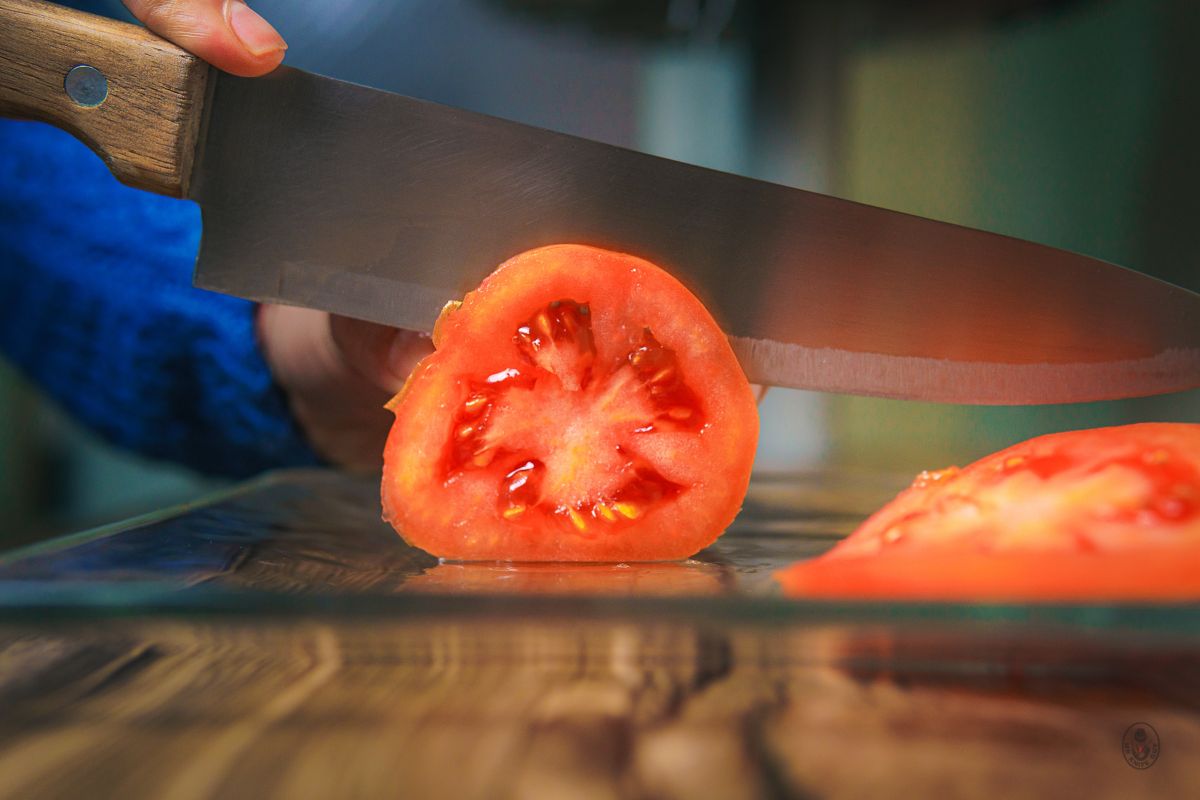
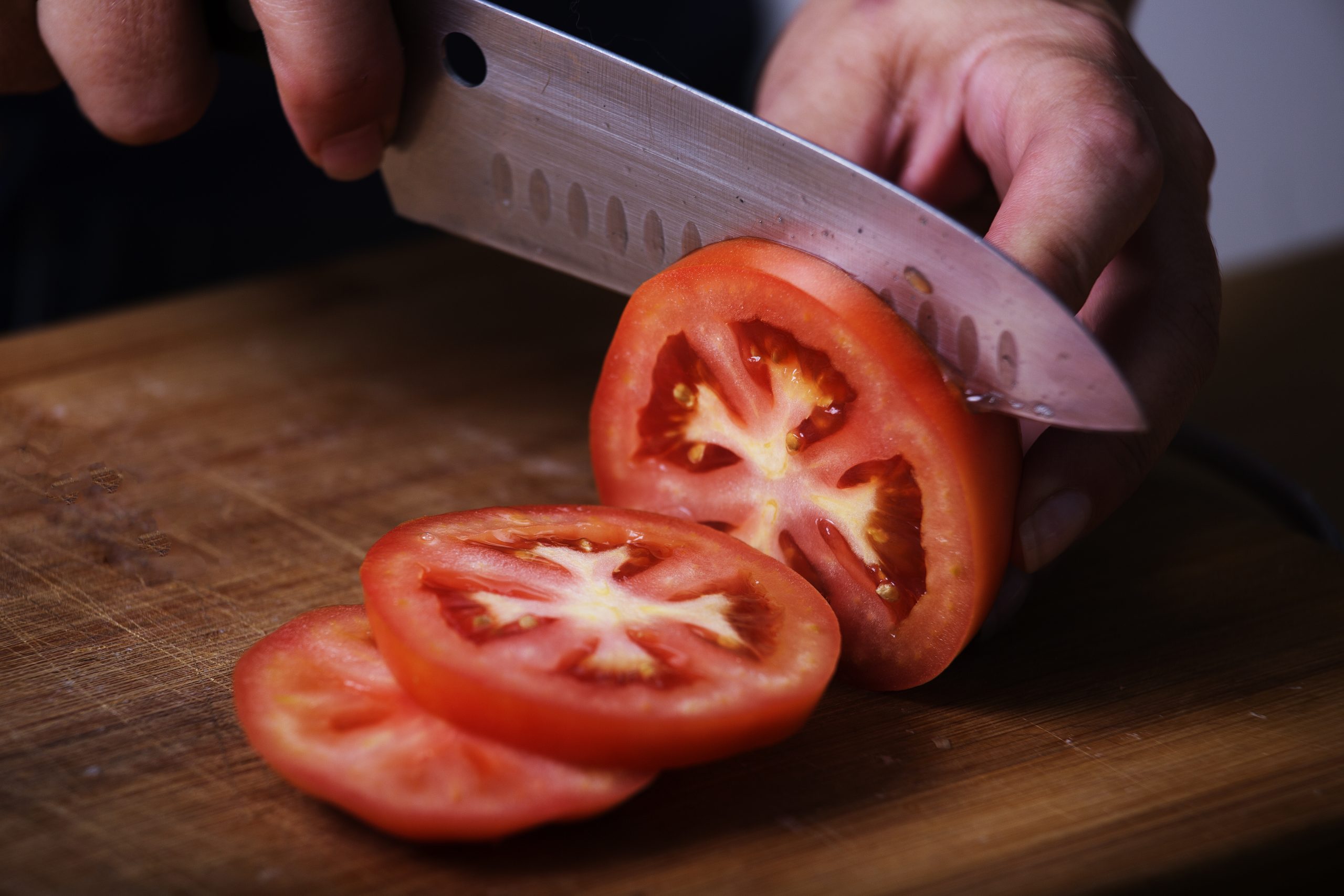
testing kitchen knife sharpness on tomato

  1. Your Knife Slips on Tomato Skin

At Mr Knife Guy, tomatoes are the litmus test for determining how sharp a knife is, and we always keep a tub of them in our mobile workshop for this very reason. A sharp knife should slide into tomato skin with almost no pressure. If the blade moves across the surface before finally cutting, or simply squashes down into the tomato, it’s very likely that the knife edge is dull. For many cooks, spotting this happening when slicing tomatoes or peppers is when they realise their knives could do with some attention.

  1. You Have to Push Harder Than Usual, or Saw Through Ingredients

Sharp knives cut cleanly with very little effort. If you find you’re having to press down with each slice when you’re cutting through food like onions, carrots or meat, it’s a strong sign that your knife edge is no longer as sharp as it should be. The same goes for having to use a saw-like motion when cutting; a sharp knife can and should glide through the food.

  1. The Knife Crushes Herbs Instead of Slicing Them

When you’re chopping soft herbs such as mint, tarragon and basil, a sharp knife will slice cleanly through the leaves. Dull knives can cause herbs to discolour and bruise, which can affect both flavour and appearance. If your herbs are being crushed rather than cut, it’s likely that your blade is no longer sharp enough.

  1. Prep Takes Longer Than Usual

If you find that your food prep is taking you longer than it used to, it may well be that your knife isn’t as sharp as it could be. We often find chefs and cooks alter their cutting techniques to compensate for a dulling blade without even realising it.

  1. You’re Honing Your Knife More Frequently

We’re big advocates of the good ol’ honing rod; they help maintain a knife’s edge between sharpenings by realigning the blade. However, if you’re finding that honing is no longer restoring your knife’s cutting performance, it usually means that the knife now needs a proper professional sharpening.

  1. Your Knives Just Don’t Feel Like They Used To 

If you’re a professional chef or a serious foodie, chances are you know your knives pretty well. You know how they cut and how they should feel in your hand. When they start to feel or cut a little differently, it’s usually a good sign that they’re due for sharpening.

When Should Kitchen Knives Be Sharpened?

We recommend you get your knives professionally sharpened as soon as you feel that your knives are dulling. Trying to stretch it out longer between sharpenings means your knives will end up needing to have more metal removed to restore the edge, which can gradually shorten the lifespan of the knife.

 Professional Knife Sharpening in the North West

If your kitchen knives are showing some of the signs above, it may be time for a professional sharpening. At Mr Knife Guy, we provide expert mobile knife sharpening across Greater Manchester and the wider North West. If you’re ready to book your knives in, you can get in touch with us on 01706 489481 or 07341 304221.
How Often Should Professional Chefs Sharpen Their Knives?

If you’re a chef working in a professional kitchen, you’ll know your knives work almost as hard as you do. Long hours, fast prep and tough ingredients can be tough on your knives. Blunt knives slow you down and raise the risk of injury. Sharp knives give you speed and control.

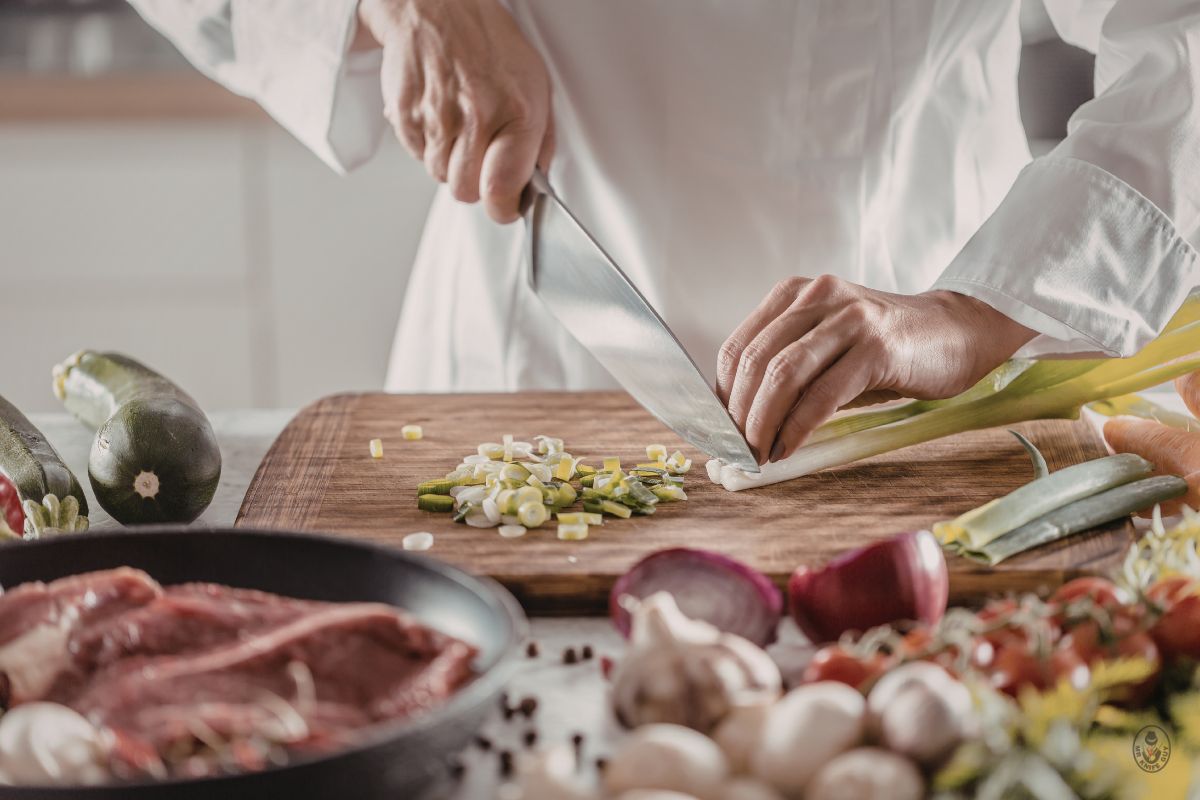
Chef chopping leeks with a sharp knife

Sharp knives speed up prep. They also reduce hand and wrist fatigue on long shifts. Meat, fish and veg cut cleanly. You also get more consistent portioning. You’re also less likely to have slips or accidents with a sharp knife, as blunt knives force you to use more pressure, which is more likely to result in the blade slipping. Most kitchen cuts happen with blunt knives rather than sharp ones.

So how often should chefs sharpen their knives? The short answer is more often than most people think. The long answer is the same, with a bit more waffling.

What affects how often you need to sharpen?

How often your knives need sharpening ultimately depends on a whole host of factors.

If you’re in a busy restaurant using your knives for heavy duty prep work all day every day, they’re likely going to need some attention a lot sooner than knives that that are used in the kitchen of a small café. The type of surface you’re cutting onto has an impact too; wooden or thick plastic boards help your knife maintain its sharpness, while surfaces like granite, glass and marble will result in a blunter edge very quickly. Habits such as dragging the blade across a chopping board, cutting through hard ingredients like bone, and sticking your knives in a dishwasher instead of washing by hand, will all result in a dull edge sooner, and can also end up causing damage to your knives.

Your knife and how you treat it

The type of knife you’re using will also make a big difference to how often it’ll need sharpening. A high-end Damascus knife keeps its edge for a lot longer than a cheaper knife will when used under the same conditions. How your knives are stored can again mean some knives need sharpening more often than others – and we recommend a magnetic wall block or knife stand rather than keeping your knives in a drawer where they can get bumped about for this reason. You’ll find that using a quality ceramic honing rod between sharpenings can also be make a considerable difference to how long you’re able to go between sharpenings.

Signs your knife needs sharpening

Rather than suggesting a strict sharpening routine, we recommend getting to know when your knives need a sharpen by how they feel to work with. Don’t wait until the knife is unusable. Watch out for these signs:

  • You need extra pressure to cut
  • Your knives squash ingredients like tomatoes instead of slicing straight through
  • Ingredients like herbs are bruised by the blade
  • Honing no longer helps
  • Your knives simply don’t feel as sharp as they used to
  • …And simply because you know they’re not feeling quite right!


We always recommend sharpening your knives sooner rather than later. Sharp knives make a kitchen safer, and waiting until your knives are really blunt can end up costing you time, effort and control. Getting your knives sharpened regularly means less metal is removed each time; this extends the life of your blades and saves you money long term. If you knives feel harder to use, they’re already overdue for a sharpening.

You can find out more about our Mobile Knife Sharpening Service here.

Get in touch if you think your knives could use some attention – to book in, call us on 01706 489481 or 07341 304221.


Sign Up Newsletter

Sign up our newsletter and save 25% off for the next purchase!

Subscribe to our newsletters and don’t miss new arrivals, the latest fashion updates and our promotions.